The Perception of Gold in India: Why Rising Gold Prices Don’t Create a Real Wealth Effect

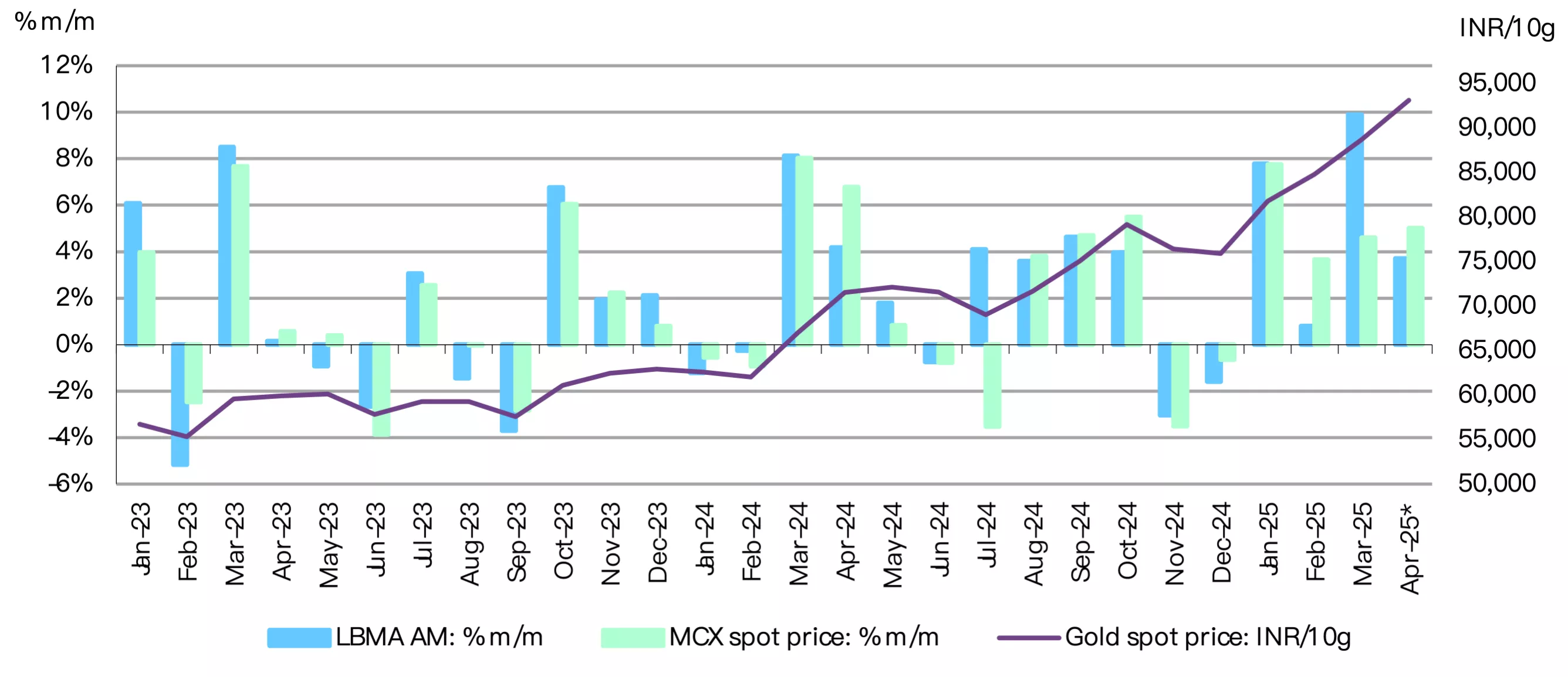
Gold holds a unique psychological, cultural, and financial position in India. With gold prices rising over 60% in the last year, a natural question arises:
Does this surge in gold prices create a real wealth effect that boosts consumption and economic growth?
The short, uncomfortable answer: mostly no.
Let’s break this down logically, without emotion or nostalgia.
1. India’s Gold Wealth Is Massive — Bigger Than Its GDP
According to estimates by Morgan Stanley, Indian households collectively hold around:
Valued at roughly $5 trillion
This is higher than India’s nominal GDP, which is about $4.1 trillion (IMF estimates)
In global terms:
India accounts for ~26% of global gold demand
China accounts for ~28%
Together, India and China drive more than half of global gold consumption
On paper, this looks like enormous household wealth.
But wealth on paper is not the same as usable economic wealth.
2. Most Household Gold Is Not a Financial Asset
Here lies the core issue.
Composition of household gold:
75–80% is held as jewellery
Remaining is in coins or bars
Very little is held via financial instruments like ETFs or sovereign gold bonds
Jewellery is:
Illiquid
Emotionally charged
Socially and culturally “untouchable”
Selling gold jewellery is still perceived as a financial distress signal, not a smart portfolio decision.
This single factor breaks the wealth-effect argument.
3. Gold Is a “Store of Value”, Not a Spending Trigger
Gold in India functions primarily as:
A hedge against uncertainty
A cultural and emotional asset
When gold prices rise:
People feel richer
But they don’t spend more
There is no strong empirical evidence showing that spikes in gold prices lead to:
Higher household consumption
Sustained GDP acceleration
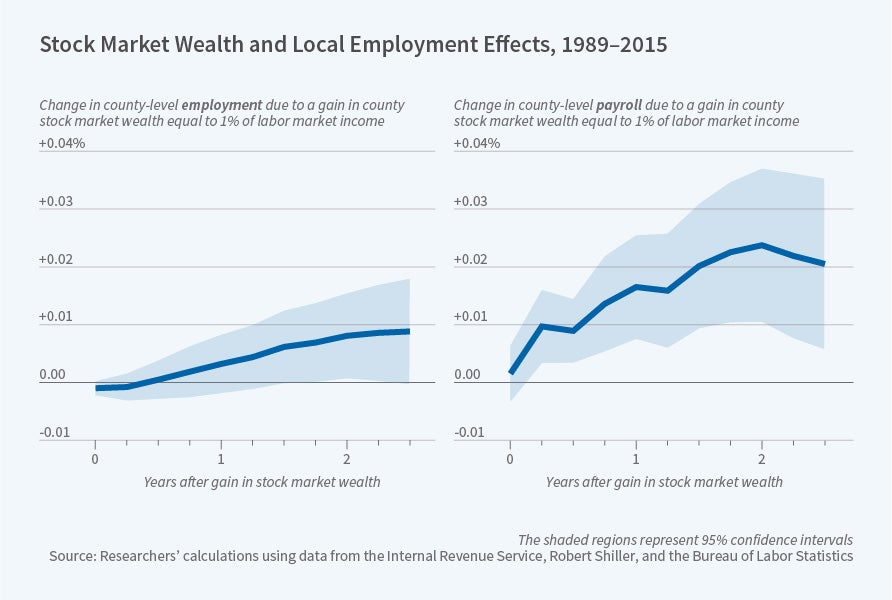
This contrasts sharply with equity markets.
4. Psychological Asymmetry: Gold vs Equity
Here’s an uncomfortable truth about investor behavior:
When gold prices rise:
People worry gold has become “too expensive”
They postpone buying
They reduce quantity (lighter jewellery, lower carat)
They do not think of selling
When equity prices rise:
Investors see higher net worth
They rebalance portfolios
They book profits
They increase discretionary spending
Gold appreciation creates price anxiety, not spending confidence.
5. Gold Is Rarely Counted as Net Worth
Most Indian households:
Track bank balances
Track fixed deposits
Track EPF, PPF, mutual funds, stocks
But gold jewellery?
Rarely updated in balance sheets
Rarely treated as “deployable wealth”
Often mentally categorized as emergency-only
This mental accounting flaw ensures gold price rallies remain economically dormant.
6. Liquidity and Income Generation Matter for Wealth Effect
A real wealth effect requires three conditions:
Liquidity – easy to convert into cash
Income generation – dividends, interest, cash flows
Low emotional friction – no stigma in selling
Gold fails on all three:
Liquidity exists technically, but not psychologically
Gold produces no income
Selling gold is emotionally painful
Equities, on the other hand:
Are highly liquid
Generate dividends and capital gains
Are routinely bought and sold
That is why equity-led rallies boost consumption — gold rallies don’t.
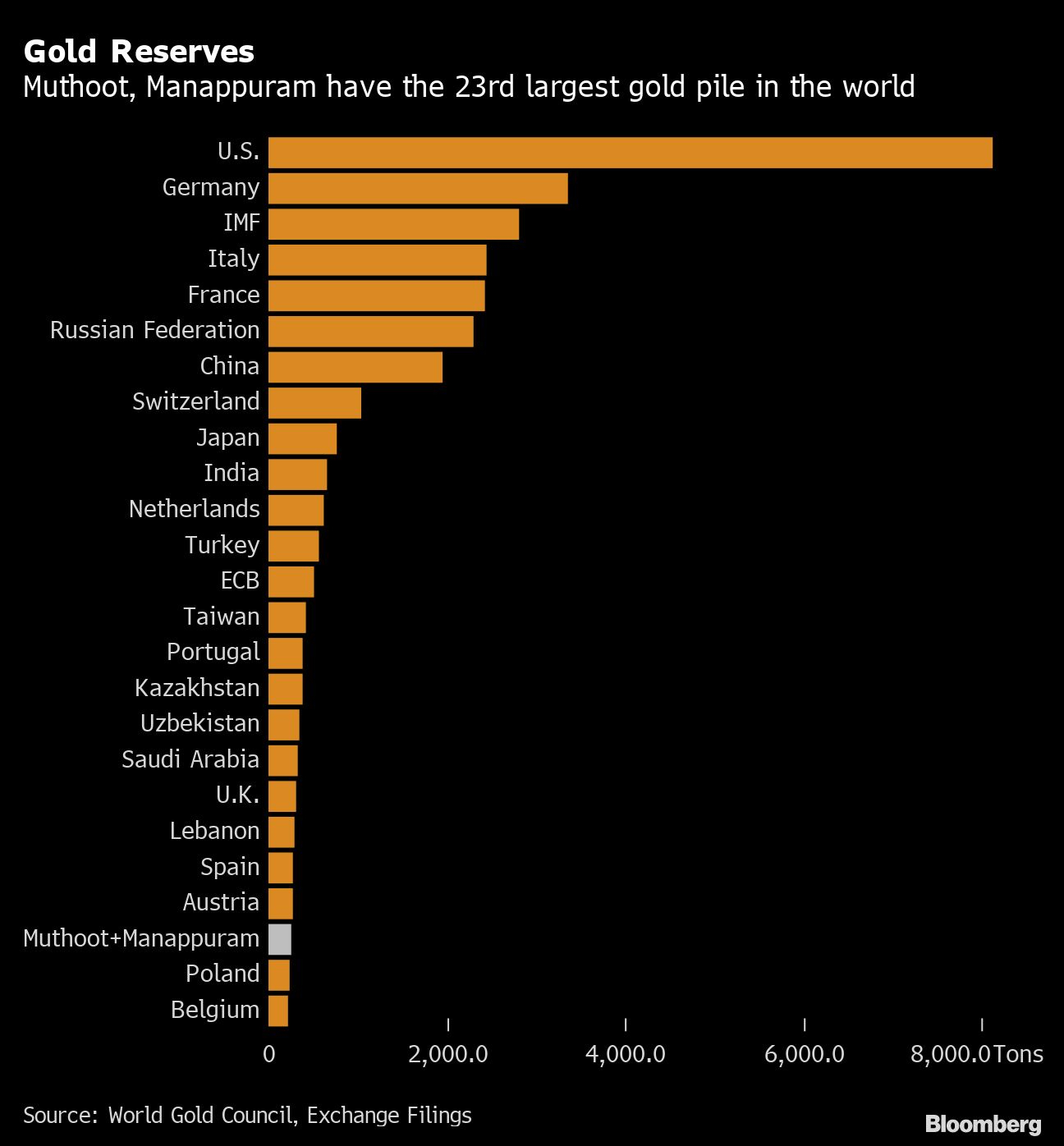
7. RBI Gold Holdings Don’t Change the Household Story
The Reserve Bank of India holds about:
~880 tonnes of gold
Roughly 14% of India’s forex reserves
While this supports currency stability and balance-sheet strength at a sovereign level, it has no direct transmission to household consumption.
Household gold ≠ spending power.
8. Why Gold Still Feels Important (Even If It Isn’t Economically Active)
Gold persists because:
It protects against inflation
It acts as intergenerational wealth
It offers emotional security
It performs well during crises
These are valid reasons.
But they do not translate into a consumption boom, even after a 60% price rally.
Final Conclusion: Gold Creates Comfort, Not Consumption
Gold price appreciation:
✔ Makes households feel secure
✔ Improves perceived wealth
✖ Does NOT materially increase spending
✖ Does NOT generate a strong wealth effect
If any asset class creates a true wealth effect, it is equities, not gold — because they are liquid, income-generating, and psychologically “sellable”.
Gold in India is financially powerful but economically passive.
And unless its perception shifts from emotional asset to financial asset, even massive gold rallies will continue to sit quietly — admired, but unused.


Comments
Post a Comment